A Packed Hall, a Queue at the Door: What Our 2026 Open Told Us About Grassroots Growth in N17

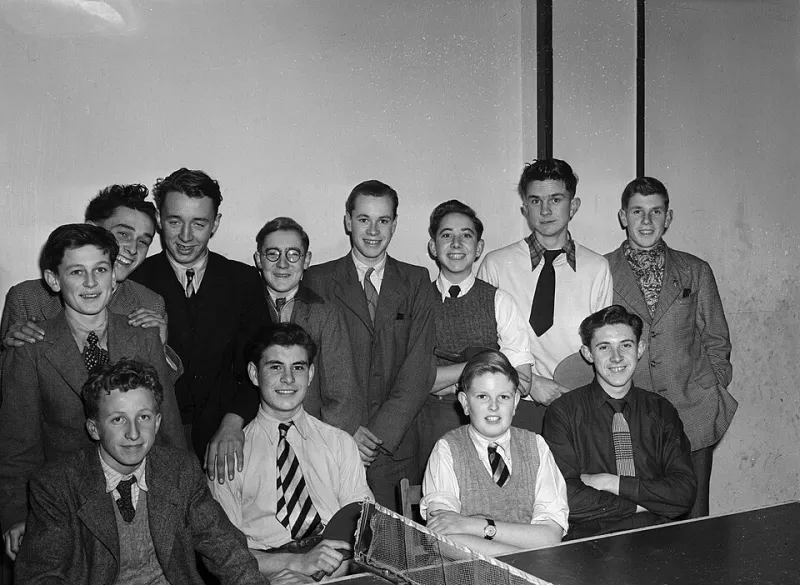
Photo: Asuncion Organizing Committee of the Junior Pan American Games, CC0, via Wikimedia Commons
The doors opened at half eight and by nine there was a queue past the fire doors, which is a lovely problem to have and a slightly terrifying one when you are the person holding the entry list. Our 2026 Grassroots Open, held in the sports hall we borrow for the day, drew 118 entries across five events. In 2025 we had 86. In 2024, the first year we tried this properly, 61.
Growth like that is worth celebrating. It is also worth poking at with a stick, because a tournament that grows faster than the people running it will eventually fall over.
The Numbers, Straight Up
- 118 entries in total, up from 86 last year.
- 54 juniors across the under-11, under-13 and under-16 events.
- 12 entries in the women's event, our best yet and still not enough.
- 21 volunteers on the day, down from 24 in 2025.
- 4 local sponsors, including a cafe on the high road and a letting agent who has quietly covered our ball bill for two years.
- 9 late withdrawals, most of them on the morning itself.
Read those together and the story is not simply “more players”. It is more players and fewer hands.
What Actually Worked
Round robin into knockout. Groups of four, then a knockout for the top two. It means everyone gets at least three matches, which matters enormously to a nervous eleven-year-old who has travelled twenty minutes on two buses to be there. We will not go back to straight knockout.
A warm-up table. One table, set aside all day, no matches on it. Sounds wasteful. It was the single most-used bit of floor space in the hall, and it stopped half the hall warming up in the queue by the entrance.
Junior buddies. Every under-11 was paired with an older junior whose only job was to find them when their match was called. We lost nobody all day, and two of those older juniors have since asked about helping at club nights.
A volunteers' group chat with actual shift times. Not a vague “can anyone help Saturday”, but “you are on the desk nine till twelve, here is the sheet”. Turn-up rate went through the roof.
Prizes people wanted. Balls, a bat voucher, a decent towel. Not medals that go in a drawer.
What We Would Change, Honestly
Four tables short at peak. Between half ten and half twelve we simply had more players than tables, and the gaps between matches stretched to an hour for some of the under-13s. Next year we either cap entries at 96 or hire the bigger hall. There is no clever third option.
Entries closed too late. Taking entries until the Thursday meant we were building the draw on Friday night. Close two weeks out, run a reserve list, and buy back our own sanity.
No quiet space. A hall full of tables is a loud place. Several parents mentioned a child who needed ten minutes away from the noise. A side room and a spare chair costs nothing.
Staggered start times. Not everyone needs to arrive at nine for a first match at half eleven. Two waves, and the hall stops feeling like a rush hour tube carriage.
The girls' entry. Of 54 juniors, eight were girls. That is not good enough and it is not a mystery — we ran no girls-only sessions in the run-up, so we cannot be surprised when the entry reflects it. We are trialling a Saturday morning girls' session in the new year and will report back on how it goes, including if it does not work.
Referee cover. We had two qualified umpires for five events. Players umpired each other's group matches, which mostly worked and occasionally did not. A short umpiring session for parents before the day would fix most of it.
The Checklist Other Organisers Can Borrow
- Close entries fourteen days before the event and publish the draw seven days out.
- Cap entries to your table count, not your ambition. Count tables, multiply by matches per hour, be honest.
- Add a warm-up table and a quiet corner. Both are cheap.
- Give every volunteer a named shift and a named job before the day.
- Pair every junior with a buddy from the older age groups.
- Take card and bank transfer on the day, not just cash in an envelope.
- Ask two parents to be your umpires for the group stage, and train them for twenty minutes.
- Run the session that your entry numbers say you are missing, months before the tournament, not the week after.
What It Means for the Rest of the Season
The tournament told us something we half knew: the appetite in N17 is there, in numbers, across ages and across postcodes. What is thin is the scaffolding around it — volunteers, tables, a bit of admin discipline, and the sessions that bring in players we are not currently reaching.
One more thing worth saying. The loudest cheer of the day was not for a winner. It was for a young player in the under-13 plate who had lost her first two matches, came back to win her third, and got a round of applause from three tables at once. Whatever we get right or wrong next year, we should keep holding space for that.